Posts

Showing posts with the label Animals

The Animal with the longest pregnancy in the world.

Image
  The Chlamydoselachus Anguineus, commonly known as the "Frilled Shark," presents an enigmatic serpentine form, named for its frilly appearance and distinctive traits like sharp teeth and six pairs of gill slits encircling its throat. These gill slits impart a prehistoric allure and set it apart from other sharks. One of the most astonishing aspects is their gestation period, an unparalleled 42 months, nearly four years, making them the mammals with the longest known pregnancy. What amplifies this wonder is that, contrary to common perception, Chlamydoselachus Anguineus are mammals, showcasing viviparity, a remarkable adaptation in the realm of reproduction. Inhabiting depths of 120 to 1,280 meters (394 to 4,200 feet), this deep-sea creature challenges scientific observation due to its preference for profound ocean realms. Despite being found in various oceans, including the Atlantic and Pacific, specifics regarding their populations and distribution remain inadequately docum...

Termites are source of renewable energy.

Image
  Did you know that Termites might not be a direct source of renewable energy, but the process of utilizing termite digestive systems (bioreactors) to break down cellulose and convert it into biofuel is a potential renewable energy source.  The enzymes and microorganisms within the termite gut can aid in the production of biofuels like ethanol or methane from organic materials, contributing to a sustainable energy solution.  Other researches indicate that Termites can also produce up to 2 liters of hydrogen from ingesting a single sheet of paper, making them one of the planet's most efficient bioreactors! So in essence, termites are not just a social animal by accident. However, this technology is still in the research and development stages. Please bookmark, follow and drop your comments on this blog.

Turkey Country Vs Turkey bird.

Image
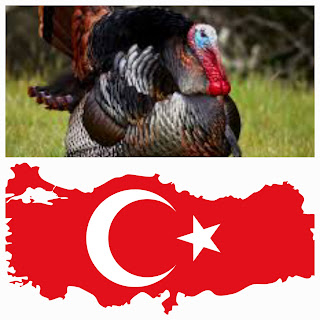
  The relationship between Turkey, the country, and the turkey bird can be summarized through their shared name and some historical connections. The name 'Turkey' for the country is thought to have originated from the Medieval Latin word "Turchia," which was used to refer to the lands of the Byzantine Empire ruled by the Turks. The Turks, in turn, were originally a Central Asian nomadic people who migrated to the region and played a significant role in shaping the history of the area. However, the association with the turkey bird is less straightforward. The turkey bird, scientifically known as Meleagris gallopavo, is native to the Americas, specifically North America. It was originally domesticated by indigenous peoples in Mexico and was later brought to Europe by Spanish explorers in the 16th century. The Europeans initially mistook the bird for a type of guineafowl, which had a similar appearance to them, and thus called it "gallopavo."  When the Spanish ...

The most expensive coffee in the world!

Image
  The most expensive coffees in the world is known as Kopi Luwak also called Civet coffee. This coffee originates from Indonesia and is renowned for its unique production process. Kopi Luwak is made from coffee beans that have been consumed and excreted by a small mammal called the Asian palm civet. The production of Kopi Luwak involves a somewhat unusual method. The civet eats the coffee cherries but cannot digest the beans. As the beans pass through its digestive system, they undergo fermentation and enzymatic processes. After being excreted, the beans are collected, thoroughly cleaned, and then roasted to produce the coffee. The demand for Kopi Luwak arises from the belief that the digestion and fermentation process enhances its flavor and reduces bitterness. However, scientific studies have shown mixed results in terms of taste improvement. Due to the labor-intensive and unique nature of its production, Kopi Luwak commands a high price, making it one of the most expensive coffe...

Otoliths or ear stones as observed in some fishes.

Image
  Otoliths, also known as ear stones or  otoconia, are tiny calcified crystals located in the inner ear's vestibular system found in the inner ear of vertebrates, including fish and humans.  For fishes, otoliths are used for balance and hearing (they're smaller in humans but used for similar purposes). They help in detecting changes in head position and linear acceleration, aiding in the sense of balance and spatial orientation. Disorders related to otoliths can lead to balance and dizziness issues. Otoliths are common in Alaska hakes or European hakes popularly called Panla.

Jellyfish are biologically immortal.

Image
  Yes; it's true! A species of Jellyfish " Turritopsis dohrnii", also known as the immortal jellyfish, found worldwide in temperate to tropic waters, are often considered "biologically immortal" because they don't have a natural aging process like humans do. This species can revert to an earlier stage in their life cycle when injured or facing unfavorable conditions, allowing them to potentially live indefinitely. However, they can still be affected by disease, predation, or environmental factors. Do you think a close look with genetic engineering can make Humans immortal? Please follow this page.

Monkey Faced Orchid.

Image
  Did you know that: There is indeed the Monkey Faced Orchid, scientifically known as Dracula simia, is a unique orchid species that indeed resembles a monkey's face. Its distinctive flower has a resemblance to a monkey's face, complete with "eyes" and a "nose." This orchid is native to the cloud forests of Ecuador and Peru. Have you ever heard of this before? Cheers!

Snakes can help predict earthquake s.

Image
  Did you know that: Snakes can help predict earthquakes? Yes, they can sense a coming earthquake from 75 miles away, up to five days before it happens! Weird enough , snakes do not have a form of external ear structures like earflaps, although they have a from the internal ears that many other animals, including humans, do not possess. Snakes have inner ears that allow them to perceive vibrations and some airborne sounds, aiding in their ability to detect prey and potential threats. Please  follow  our Facebook page. Have a great day!

Do you think Ants sleep or have lungs to breath?

Image
Ants do sleep, but their sleep patterns differ from those of mammals. Rather than having a consolidated period of sleep, ants take numerous short "power naps" throughout the day and night, usually lasting just a few minutes each. Regarding their respiratory system, ants do not have lungs like mammals do. Instead, they have tiny tubes called tracheae (interconnected to spiracle) that allow oxygen to pass through their bodies. These tracheae deliver oxygen directly to the cells, enabling ants to breathe without the need for lungs. Carbon dioxide is also dissipated through the spiracle. Watch the video below:

7 of the Most expensive liquids around the world.

Image
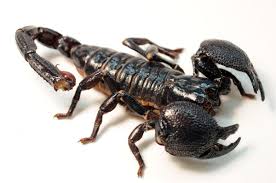
  Some of the most expensive liquids in the world, based on their value per unit, include: 1. **Scorpion Venom**: It can reach a high price due to its use in medical research and antivenom production. 2. **Snake Venom**: Snake venom is highly valuable due to its crucial role in medical research, the creation of antivenom, and its potential applications in pharmaceutical . (The king cobra venom is the most expensive of all snakes!). 3. **Horseshoe Crab Blood**: Used for testing medical devices and vaccines, its rarity and importance contribute to its high cost. 4. **Liquid Mercury**: Valuable due to its rarity and various industrial applications. 5. **Insulin**: A life-saving medication, the cost of insulin has been a topic of discussion due to its high price. 6. **Chanel No. 5**: A high-end perfume with a high price tag, reflecting its exclusivity and luxury. 7. **The human blood**: in the Overall, human blood is priceless in terms of its lifesaving potentials and the price ta...

Does the snake store it's venom in it's tail as popularly believed?

Image
  Snake venom storage location. Snake venom is not stored in the snake's tail as some belief. Venomous snakes produce venom in specialized glands located near their heads. These glands, such as the venom glands in vipers or the venomous fangs in snakes like the rattlesnake, produce and store venom until the snake injects it into prey through a bite. The tail of a snake does not contain venom storage sites. Infact, the tail of a snake is primarily used for locomotion, balance, and sometimes defense.